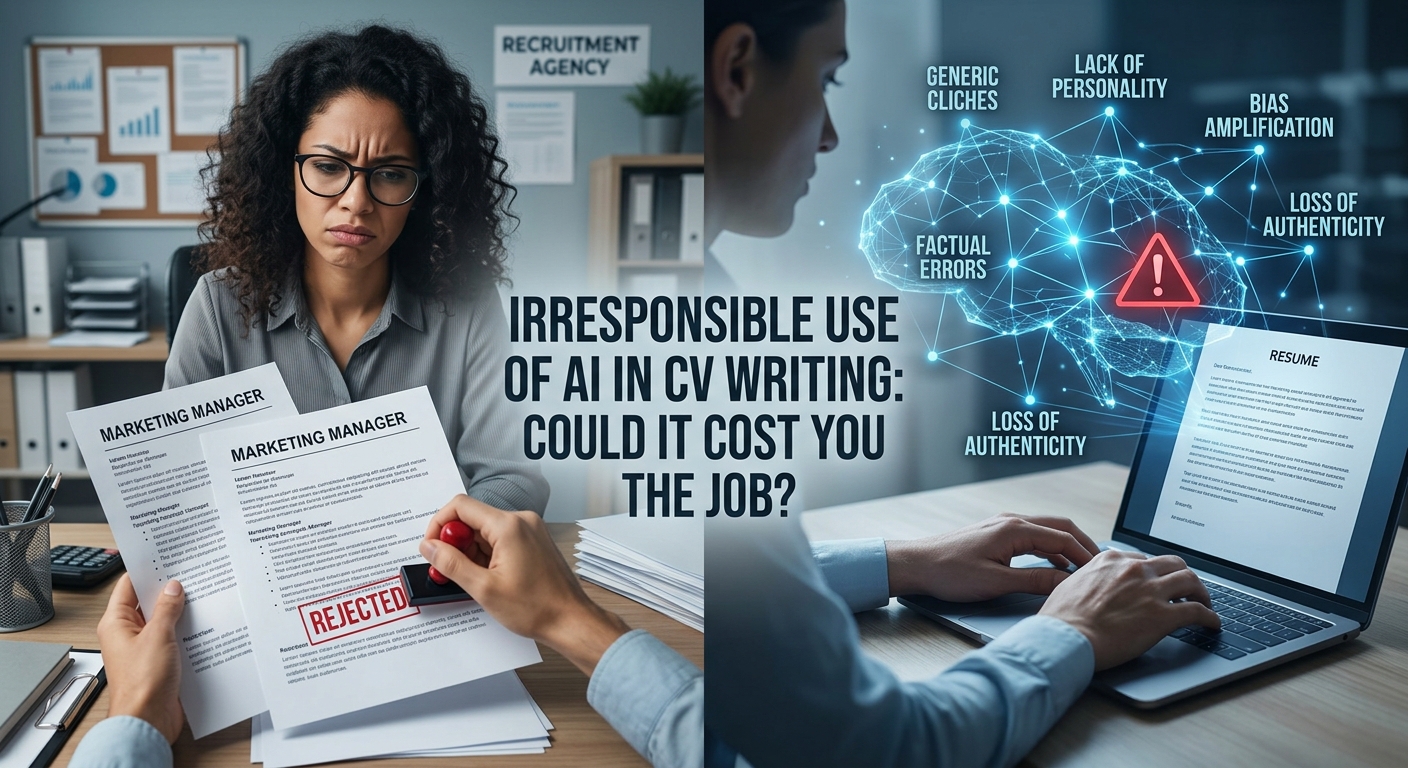
Discover five ethical ways artificial intelligence can strengthen grant writing by improving research, planning, editing, and productivity - without replacing human expertise.
AI can help you write a proposal faster. It cannot make one true - that part is still entirely on you.
Artificial Intelligence (AI) has quickly become one of the most talked-about technologies in the nonprofit and development sector. From drafting emails to summarizing reports and analyzing data, AI-powered tools are transforming how organizations work - and grant writing has inevitably become part of that conversation.
Some people now believe AI can write winning grant proposals at the click of a button. Others fear that using it at all is unethical, or that it produces generic, donor-repelling text. The truth sits between the two.
AI is not a substitute for a skilled grant writer.
It cannot build relationships with donors, understand community realities firsthand, design effective interventions, or provide the strategic thinking a compelling proposal demands. Those responsibilities remain firmly with programme teams, technical experts, and experienced proposal writers.
Used responsibly, though, AI becomes a genuine productivity tool - saving time, sharpening quality, and freeing grant writers to focus on what matters most: building strong, evidence-based proposals that respond to real community needs. Here are five practical ways it can help, without ever writing the proposal for you.
Why AI Should Support - Not Replace - Grant Writers
Grant writing is far more than putting words on paper. Winning proposals require understanding donor priorities, conducting community needs assessments, designing realistic interventions, developing logical frameworks, preparing implementation plans, building realistic budgets, and presenting credible evidence of organizational capacity and past performance.
These tasks demand human judgment, technical expertise, collaboration, and local knowledge. AI has no firsthand understanding of your beneficiaries, your organization’s track record, or your donor relationships - so instead of replacing grant writers, it should enhance their effectiveness by taking repetitive work off their plate.
Five Ways AI Can Strengthen Grant Writing
1. Accelerating Background Research
One of the most time-consuming stages of proposal development is gathering background information - sector reports, development statistics, policy documents, best practices, academic research, programme models, and technical guidance.
AI can help organize information, summarize lengthy documents, and explain unfamiliar concepts quickly summarizing a national policy document, translating technical terminology into plain language, comparing intervention approaches, or flagging areas that need further research.
But AI-generated information should never be accepted without verification. Always confirm facts against reliable sources - government publications, national statistical agencies, UN agencies, World Bank reports, peer-reviewed research, and official donor guidance. Reliable proposals are built on verified evidence, not assumptions.
2. Improving Proposal Planning and Structure
Many proposal teams struggle not because they lack ideas, but because they struggle to organize them. AI can help develop outlines, organize sections logically, generate planning checklists, create writing timelines, brainstorm implementation activities, and structure responses around donor questions.
For example, if a donor asks about sustainability, AI can suggest a logical structure for discussing community ownership, local partnerships, financial sustainability, and capacity building. The technical substance, though, still has to come from your project team.
AI provides structure. You provide substance.
3. Strengthening Writing Quality
Even experienced grant writers benefit from editorial support. AI can sharpen grammar, sentence clarity, readability, consistency, tone, formatting, and executive summaries - turning long, complicated sentences into concise, professional language while preserving the original meaning, and flagging repetitive wording.
This helps teams produce polished documents that are easier for reviewers to read quickly. But improving language is not the same as generating technical content - your organization remains responsible for every statement in the proposal, regardless of how it was drafted.
4. Helping Analyze Information
Proposals often require analysis of community assessment findings, survey data, monitoring information, baseline studies, financial data, and stakeholder feedback. AI can help identify patterns, summarize survey responses, organize qualitative feedback, explain trends, and highlight inconsistencies.
For instance, after a community needs assessment for a maternal health or child protection programme, AI can help summarize recurring themes from interview and focus group transcripts - giving the proposal team more time to interpret findings and design the right intervention. Data interpretation itself, however, should always remain the responsibility of qualified professionals.
5. Improving Productivity Across the Proposal Process
Proposal development involves plenty of repetitive administrative work. AI can help draft meeting agendas, summarize planning meetings, develop action lists, prepare interview questions, create development schedules, generate document templates, and draft internal communication messages.
These small efficiencies add up, allowing technical experts to spend more time on programme design, donor alignment, and quality assurance. Used this way, AI becomes a productivity assistant - not a proposal writer.
A Quick Look: Safer Prompts vs. Riskier Prompts
How you prompt AI shapes how safely it can be used. A useful rule of thumb: ask AI to organize, explain, or refine information you already have - not to generate facts, figures, or stories about your organization or beneficiaries.
Notice the pattern: safer prompts ask AI to work with real, verifiable information you supply. Riskier prompts ask AI to invent information on your behalf - numbers, achievements, and stories it has no way of actually knowing.
What AI Should Never Do
Despite its capabilities, AI has firm limits. Grant writers should never rely on it to:
- Invent beneficiary data
- Create fictional success stories
- Fabricate organizational experience
- Generate false budgets
- Misrepresent partnerships
- Copy content from other proposals
- Produce unverified statistics
- Respond to donor questions without human review
Submitting inaccurate or misleading information can damage organizational credibility and jeopardize future funding. Ethical proposal development requires transparency, accuracy, and accountability at every step.
Best Practices for Using AI Responsibly
Verify Every Fact
Treat AI-generated information as a starting point, not the final answer. Cross-check statistics, policies, and technical guidance against credible sources before they go anywhere near a proposal.
Protect Confidential Information
Avoid entering confidential information into public AI platforms - donor budgets, personal beneficiary data, proprietary project documents, financial records, or internal organizational strategies. Always follow your organization’s data protection and confidentiality policies.
Keep Humans in Control
AI should support human expertise, not replace it. Programme staff, technical specialists, finance teams, and organizational leadership remain responsible for every aspect of proposal quality.
Use AI for Efficiency, Not Shortcuts
The goal isn't to finish proposals faster at the expense of quality. Use AI to clear repetitive work off the table so more time goes to strategic thinking, collaboration, and genuine proposal refinement.
The Future of AI in Resource Mobilization
AI is likely to become an increasingly valuable tool across the nonprofit sector - supporting donor research, resource mobilization planning, monitoring and evaluation, project management, strategic planning, communications, data analysis, and organizational learning.
Organizations that adopt AI responsibly will be better positioned to improve efficiency while holding onto high professional standards. The most successful grant writers of the next decade will not be those who let AI think for them - they will be those who combine AI's efficiency with human creativity, technical expertise, ethical judgment, and a genuine understanding of community needs.
How Edge Point Solutions Can Help
At Edge Point Solutions, we believe AI should enhance - not replace - professional expertise. We help NGOs, CBOs, FBOs, and development organizations integrate AI responsibly into their resource mobilization and proposal development processes, drawing on our own hands-on experience preparing donor proposals and technical reports across health and social services programmes.
Our services include:
- Grant writing and proposal development
- AI for nonprofit organizations training
- Resource mobilization strategy development
- Proposal review and quality assurance
- Organizational capacity strengthening
- Donor readiness assessments
- Project design and logical framework development
- Technical writing support
We equip organizations with practical skills to use AI ethically, while protecting the donor confidence and proposal quality their funding depends on.
Final Thoughts
AI is transforming how organizations work, but successful grant writing remains a fundamentally human endeavour. Winning proposals are built on authentic community engagement, sound programme design, credible evidence, strategic thinking, and strong partnerships - qualities no AI tool can replace.
Used responsibly, AI can accelerate research, improve writing quality, streamline planning, and increase productivity - giving grant writers less time on repetitive tasks and more time to design innovative, high-impact solutions.
The future of grant writing is not AI versus people. It is AI empowering skilled professionals to do their work more efficiently.
Want to learn how your organization can use AI ethically to strengthen grant writing?
Edge Point Solutions offers practical training, proposal development support, and AI capacity-building programmes tailored for NGOs, CBOs, FBOs, and development professionals. Contact us today to discover how AI can become a valuable partner in your fundraising journey.