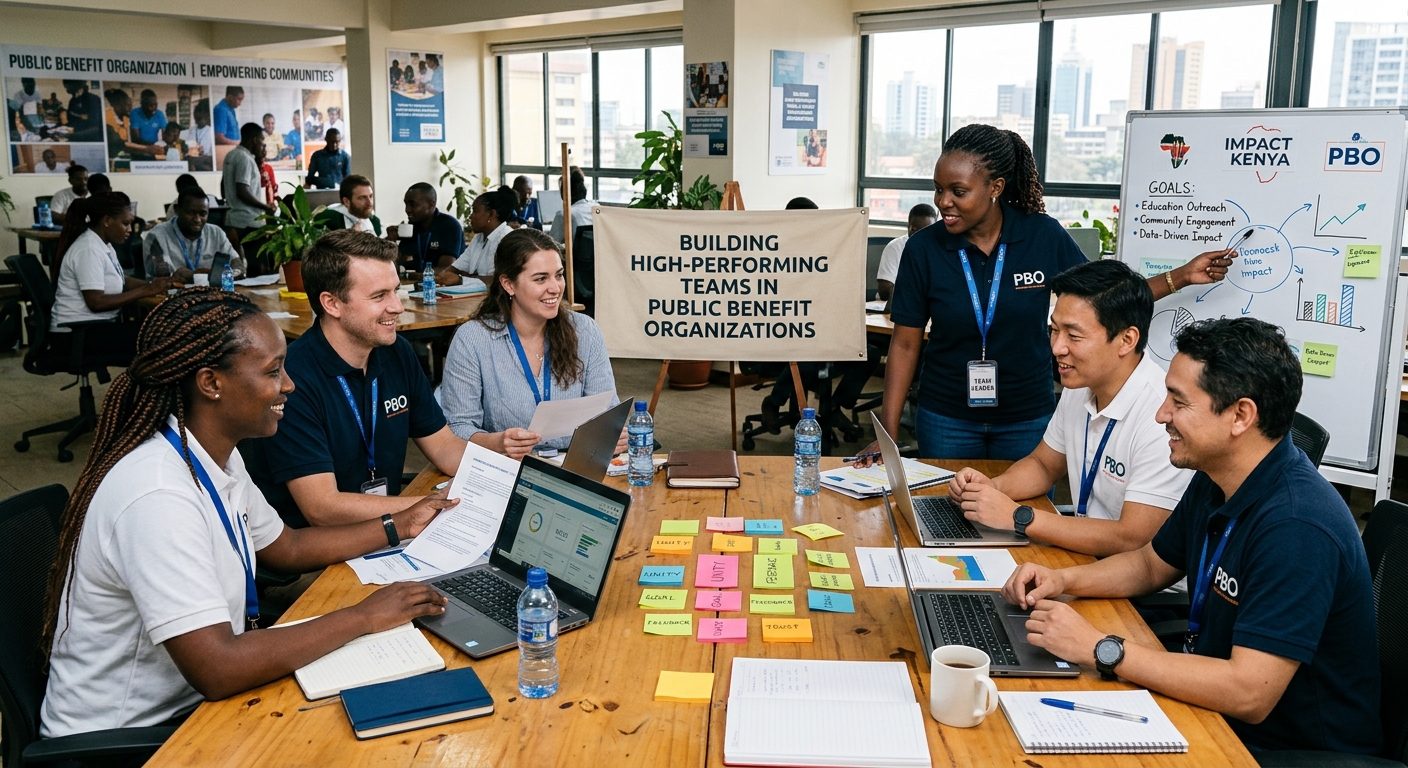
Avoid common mistakes in development project reports. Learn to present activities, results, challenges and recommendations clearly and accurately.
When Good Project Work Is Poorly Reported
A community project may deliver valuable services and still produce a report that leaves its readers with basic questions. How many people were reached? Were activities completed as planned? What changed for participants? What difficulties arose, and how did the team respond?
A development project report should help managers, partners, donors and community stakeholders understand performance and make decisions. It needs to account for work completed while presenting an honest picture of progress.
The following mistakes commonly weaken that picture.
1. Reporting activities without explaining their results
A report might state that a team held four community dialogues, trained 30 volunteers and visited 200 households. Those figures matter, but readers also need to know what the activities achieved.
Did the volunteers begin applying the skills? Were households connected to services? Did the dialogues reveal barriers that required a change in approach?
How to minimize it: For each major activity, explain its purpose, who participated, the immediate output and any observed result. Distinguish what the project delivered from changes that can reasonably be attributed to it.
2. Reporting numbers without context
"Five hundred people reached" sounds impressive until the reader asks: Reached with what service? During which period? Against what target? Were they unique individuals or repeat participants?
How to minimize it: Give figures a clear label, reporting period, location and denominator where applicable. Compare actual performance with the target and explain substantial differences.
3. Presenting figures that do not match
A common problem is a beneficiary total in the executive summary that differs from a table in the report. The narrative may use figures from an earlier draft while the table contains updated data.
How to minimize it: Agree on one verified source for key figures. Reconcile totals across the summary, narrative, tables and annexes. Ask someone familiar with the project data to review the final version.
4. Claiming impact too early
A training session may improve participants' knowledge, but that does not immediately prove lasting changes in practice. A referral made does not always mean a service was received. Reports lose credibility when they present early progress as confirmed long-term impact.
How to minimize it: Use precise language. Report what the available records show, explain what has not yet been verified and identify how the project will follow up.
5. Hiding delays and challenges
Some teams fear that discussing difficulties will make a project appear unsuccessful. Yet a report that contains no challenges can leave readers less confident, especially when they know the work took place in demanding conditions.
How to minimize it: State the challenge, its effect on implementation and the action taken. If a problem remains unresolved, explain the proposed response and any support or decision required. Avoid both exaggerating problems and minimizing them.
6. Describing expenditure without connecting it to delivery
Financial and programme sections are often prepared separately. If activities were delayed but spending continued, or delivery increased while expenditure remained low, readers need an explanation.
How to minimize it: Review programme progress alongside expenditure before writing. Explain significant variances in plain language and indicate whether they affect future activities or the project timeline. Ensure the financial figures match the approved financial report.
7. Using success stories without adequate care
A personal story can help readers understand how a project affects people's lives. It can also expose a participant's identity or imply that one experience represents everyone.
How to minimize it: Obtain the required consent, protect sensitive details and follow the organization's safeguarding and data protection procedures. Use stories to illustrate documented work, while keeping broader claims grounded in project records.
8. Writing recommendations that cannot guide action
"Improve coordination" or "increase community engagement" identifies a broad intention. It does not tell the team what to do next.
How to minimize it: Specify the action, who should lead it, when it should happen and what result is expected. For example: "The field coordinator will meet referral partners by the end of October to agree on a process for confirming whether referred households received services."
9. Producing the report at the end of the reporting period
When documentation is left until the deadline, teams struggle to verify attendance, recover field notes, explain changes and gather examples. The report becomes a rushed reconstruction of events.
How to minimize it: Record activities and issues as they occur. Maintain current attendance records, activity summaries, referral data, decisions and photographs where appropriate. Review progress against targets regularly so the report draws on an existing record.
10. Writing an executive summary that misses the important points
A lengthy introduction can crowd out the information a busy reader needs most: the main results, challenges and decisions.
How to minimize it: Write the executive summary last. Briefly state the reporting period, major achievements against targets, significant challenges, financial position where required, and priority actions for the next period.
A practical check before submission
Before sending a development project report, confirm that it answers these questions:
- What was planned, and what was completed?
- Who was reached, where and with which services?
- What results are supported by the available evidence?
- What fell short of the plan, and why?
- What challenges were encountered and how were these addressed?
- What lessons were learned during the implementation period?
- Do the programme and financial accounts tell a consistent story?
- What decisions or actions are needed next?
The strongest report does more than record activity. It gives readers a dependable account of performance and helps the project improve its next steps.
How Edge Point Solutions can help
Edge Point Solutions supports development and community organizations with project documentation, progress and donor reports, data review and technical editing. We help project teams present their work clearly, account for challenges honestly and turn project evidence into useful decisions.
Written by Kenneth Otieno
Director, Edge Point Solutions